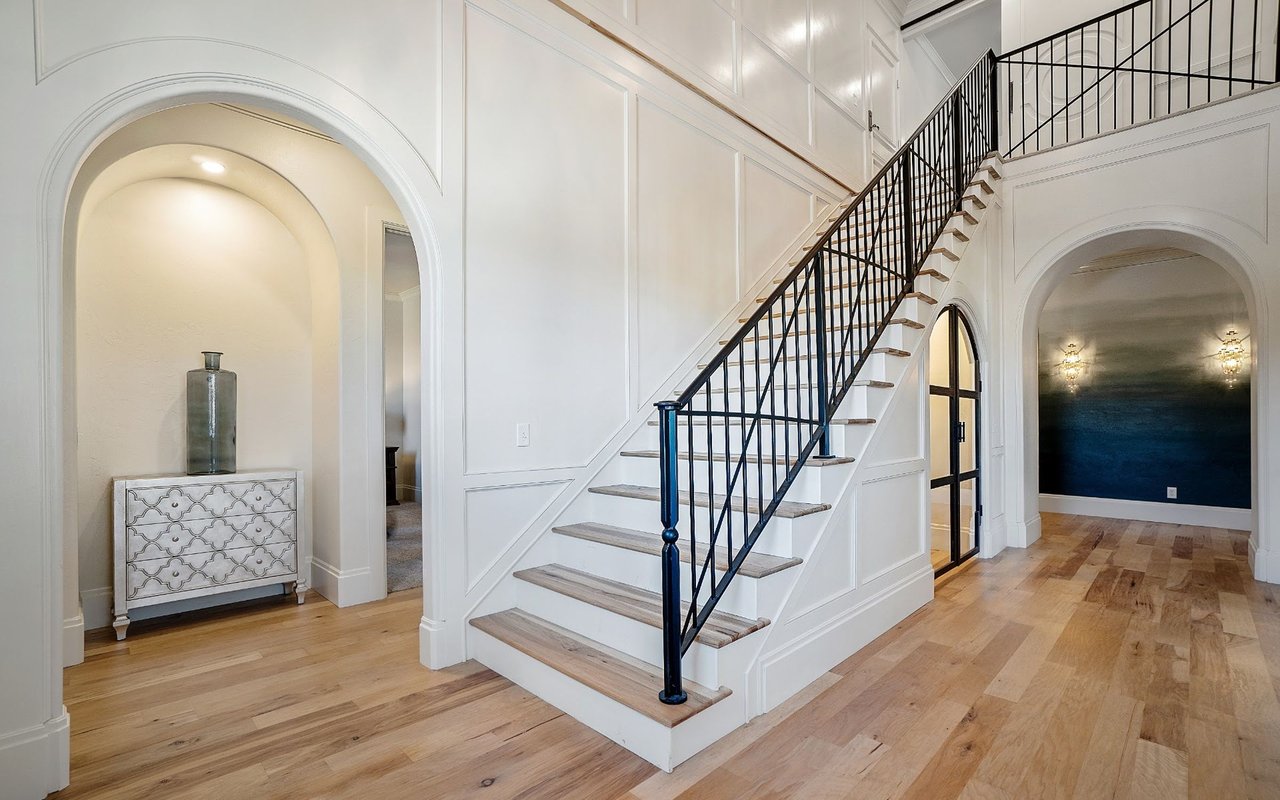
Wondering how to make your Central Austin bungalow stand out without stripping away the charm that made you love it in the first place? You are not alone. In a market where buyers have more choices and do much of their first screening online, the right staging strategy can help your home feel both timeless and ready for today’s lifestyle. Let’s look at how to stage a classic bungalow so it feels clean, bright, functional, and true to its character.
Why staging matters in Central Austin
Central Austin buyers often are not comparing your home to generic new construction. In neighborhoods like Hyde Park, Travis Heights, and Bouldin Creek, many shoppers are looking at older homes with porches, original windows, modest footprints, and layouts that reflect another era.
That means presentation matters in a very specific way. Buyers want charm, but they also want to picture daily life clearly. A well-staged bungalow helps them see how the home lives now, not just how it was built decades ago.
Austin’s market also gives buyers more room to be selective. In April 2026, the City of Austin had a median residential sale price of $573,750, 4.5 months of inventory, and an average close-to-list ratio of 94.9%, according to Unlock MLS. In this kind of environment, details like condition, light, flow, and photography can have a real impact.
Start with the bungalow’s strengths
Before you move furniture or pick up a paintbrush, identify what gives your home its appeal. Central Austin bungalow and cottage housing stock often includes one-story profiles, low-pitched roofs, broad eaves, prominent porches, and grouped double-hung windows, based on City of Austin survey materials.
These are not quirks to hide. They are part of what buyers are often hoping to find. Your goal is to make those features feel cared for, easy to enjoy, and visually clear from the street and inside the home.
Highlight the porch and entry
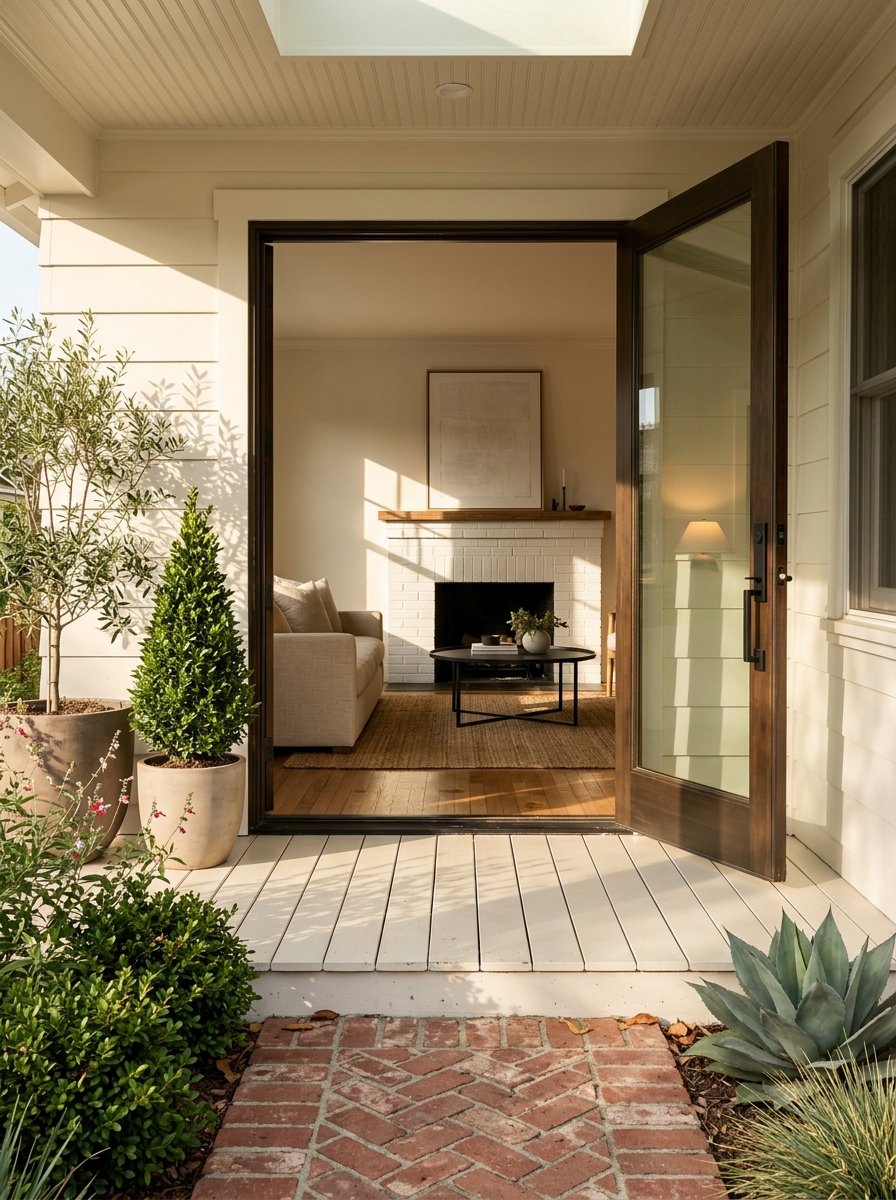
The front porch is often one of a bungalow’s best selling features. Keep it open and welcoming rather than crowded with too much furniture, plants, or seasonal décor.
A simple seating moment, a clean doormat, and a tidy approach can go a long way. Buyers should notice the architecture and the sense of arrival first.
Preserve original details
If original features are in good condition, it usually makes sense to keep them front and center. Elements like porch details, rooflines, and windows are part of the home’s historic character and can help a listing stand out.
You do not need to make an older home look brand new. You want it to feel well maintained, honest, and move-in ready.
Focus on the updates buyers notice most
The strongest staging advice is usually the least flashy. According to the 2025 Profile of Home Staging, the biggest priorities are decluttering, deep cleaning, improving curb appeal, making minor repairs, and doing paint touch-ups.
For a Central Austin bungalow, this is good news. Most sellers do not need a major renovation before listing. A disciplined reset often delivers more value than expensive changes that do not match the home’s scale or style.
Declutter first
Decluttering is the foundation of everything else. NAR’s staging report found it was the top recommended step, cited in 91% of cases.
In a bungalow, excess furniture can make rooms feel smaller and can interrupt the flow from one room to the next. Remove pieces that block windows, narrow walkways, or make rooms feel overfilled.
Deep clean every surface
Deep cleaning was cited in 88% of staging recommendations. In an older home, buyers tend to notice dust in woodwork, buildup around windows, worn grout, and dingy trim more quickly because character homes invite closer attention.
Clean homes feel better maintained. That matters even more when buyers are already looking closely at age, condition, and storage.
Use paint strategically
Paint touch-ups and neutral paint remain among the most commonly recommended pre-listing improvements. If your walls are scuffed, dark, or highly personalized, a lighter neutral palette can help rooms feel brighter and more open.
This does not mean every room has to feel flat or generic. It means reducing visual distractions so buyers focus on the home itself.
Make minor repairs
Loose hardware, sticking doors, chipped trim, and cracked caulk may seem small, but they can create a cumulative impression of deferred maintenance. Minor repairs help reassure buyers that the home has been cared for.
That is especially important in older homes, where buyers may already expect a punch list. Fixing the easy things helps reduce doubt.
Stage for light, flow, and function
Buyers need to understand how a bungalow lives. Because these homes are often more compact and can have less intuitive layouts, staging should clarify how each space works.
NAR guidance recommends letting natural light shine, opening up space, streamlining décor, showing room versatility, and improving storage presentation. Those points are especially relevant in Central Austin’s older housing stock.
Let in as much light as possible
Poor lighting can make rooms feel smaller. Open curtains, clean windows, replace weak bulbs, and remove anything that blocks daylight.
If a room gets limited natural light, keep furnishings simple and avoid heavy accessories. The goal is to make the room feel calm and usable, not crowded.
Keep circulation paths open
In a smaller home, every walkway matters. Arrange furniture so buyers can move through each room easily and understand how spaces connect.
This is one of the simplest ways to make a bungalow feel larger. Open flow helps buyers imagine their own routines in the space.
Show room flexibility
Today’s buyers often respond to flexible spaces that can serve multiple needs. If you have a sunroom, a breakfast nook, or a spare bedroom, stage it clearly so its purpose reads right away.
A small room might be shown as a guest room, reading space, or home office. Clear function helps buyers see possibility without feeling confused.
Make storage look bigger
Closets and storage areas should never look packed. NAR notes that cluttered storage makes these spaces seem smaller than they are.
Edit closets, cabinets, and shelves so buyers can see available room. If helpful, add simple shelving to make storage feel more organized and useful.
Prioritize the rooms that shape buyer impressions
The most commonly staged rooms are the living room, primary bedroom, dining room, and kitchen. That tracks with how buyers tend to experience a bungalow.
If you are deciding where to invest your effort, start with the spaces that define comfort and daily life.
Living room
The living room often sets the tone for the entire home. Keep seating scaled appropriately, leave breathing room around windows, and avoid too many small accent pieces.
In a bungalow, this room should feel airy and easy to navigate. A few well-chosen pieces usually work better than a full furniture set.
Primary bedroom
Bedrooms should feel restful, simple, and proportional. Use bedding and furniture that fit the room without overwhelming it.
If the bedroom is small, resist the temptation to add too much. A clean, balanced setup will usually photograph and show better.
Dining room
Whether you have a formal dining room or just a dining area, define it clearly. This helps buyers understand the layout, especially in homes where spaces may blend together.
Keep tabletops mostly clear and use lighting to make the area feel intentional. The room should suggest everyday livability, not formality for its own sake.
Kitchen
You do not need a full kitchen remodel to make a strong impression. Clear counters, clean surfaces, updated hardware if appropriate, and fresh paint touch-ups can make a meaningful difference.
Buyers want to see usable workspace and good upkeep. Simplicity usually wins here.
Curb appeal still carries weight
Curb appeal remains one of the most important staging priorities. For a Central Austin bungalow, that means emphasizing the home’s scale, porch presence, and connection to the front yard rather than trying to force a dramatic makeover.
Focus on the basics:
- Mow and edge the yard
- Trim back overgrowth near the porch and windows
- Sweep paths and porch floors
- Refresh mulch if needed
- Make sure house numbers and lighting feel neat and visible
- Remove extra pots, décor, or yard items that distract from the façade
These changes help buyers appreciate the home’s architecture from the first glance.
Be careful with exterior changes
If your property is a designated historic property or located in a local historic district, exterior work may require review. The City of Austin notes that the Historic Landmark Commission reviews proposed exterior changes to historic properties, and local historic district standards guide Certificates of Appropriateness.
That means you should not assume you can freely change items like paint colors, windows, doors, fencing, roof materials, or façade details. Check the City of Austin Historic Property Viewer before starting exterior updates.
Build the photo plan around how buyers shop
Online presentation matters because that is where many buyers form their first impression. NAR’s 2025 buyer research found that 83% of internet-using buyers said photos were the most useful listing feature, while 57% valued floor plans and 41% valued virtual tours.
For sellers, that means staging is not just about showings. It is about helping your home read well on screen before a buyer ever steps through the door.
Use bright, accurate images
Listing photos should be honest, bright, and carefully sequenced. NAR advises against edits that disguise condition, scale, or cost because those choices can backfire.
For an older home, authenticity matters. Strong photography should show the home at its best without making it look bigger, newer, or more updated than it really is.
Include the right images
For a Central Austin bungalow, your photo set should usually include:
- Exterior streetscape
- Front porch
- Living room
- Primary bedroom
- Kitchen
- Bathroom
- Storage areas
- Yard
- Floor plan, if available
A floor plan can be especially helpful in a bungalow because compact layouts are easier to understand when buyers can see the home’s overall shape.
How much should you update before listing?
In most cases, less than you think. The best-supported pre-listing work tends to be low-cost, visible improvements like decluttering, cleaning, curb appeal, paint, and minor repairs.
That approach is often a strong fit for Central Austin sellers because it respects the home’s character while helping buyers feel confident. Instead of over-improving, focus on clarity, upkeep, and presentation.
The best strategy is a disciplined reset
A Central Austin bungalow does not need to compete by pretending to be something else. It needs to feel like the best version of itself: bright, edited, well maintained, and easy to understand.
When you preserve the charm buyers came looking for and remove the distractions that make an older home feel harder to evaluate, you create a stronger first impression both online and in person. If you are preparing to sell in Central Austin, working with an experienced local agent can help you decide which updates matter, which original details to keep, and how to present the home with care. To start the conversation, connect with Gay Puckett.
FAQs
What staging matters most for a Central Austin bungalow?
- The biggest priorities are decluttering, deep cleaning, improving curb appeal, making minor repairs, and doing paint touch-ups. Those steps help older homes feel fresh and move-in ready without erasing their character.
Should you keep original details when staging a Central Austin bungalow?
- Usually yes, if those details are in good condition. Features like porches, rooflines, and windows are part of what gives many Central Austin bungalows their appeal.
Can you change the exterior of a historic bungalow in Central Austin freely?
- Not always. If the property is a designated historic property or in a local historic district, exterior changes may require review or a Certificate of Appropriateness from the City of Austin.
What listing photos help sell a Central Austin bungalow?
- Bright, accurate photos of the exterior, porch, living room, primary bedroom, kitchen, bath, storage, and yard are important, and a floor plan can be especially helpful for explaining a compact layout.
How much should you renovate before listing a bungalow in Central Austin?
- In most cases, focus on visible, lower-cost improvements first rather than major renovations. Cleaning, decluttering, paint, curb appeal, and minor repairs often make the strongest impact.