Trying to choose between a brand-new home and an established neighborhood in Round Rock? You are not alone. In a city that is still growing fast, this decision is less about “new versus old” and more about how you want to live day to day. If you want to compare lot size, upkeep, commute patterns, HOA structure, and long-term fit with more confidence, this guide will help you sort through the tradeoffs. Let’s dive in.
Round Rock Is Still Evolving
Round Rock is not a built-out market where all the best choices were made years ago. The U.S. Census Bureau estimates the city’s population at 141,282 as of July 1, 2025, which is up 18.2% from 2020. The city also reports added housing over the last decade alongside lower vacancy, which shows that both new construction and resale neighborhoods are active parts of the same market.
That matters when you start your search. You are not comparing one “finished” side of town to one “future” side of town. You are comparing different ways of living within a city that is still adding homes, shaping land use, and planning for future growth.
New Construction Pros in Round Rock
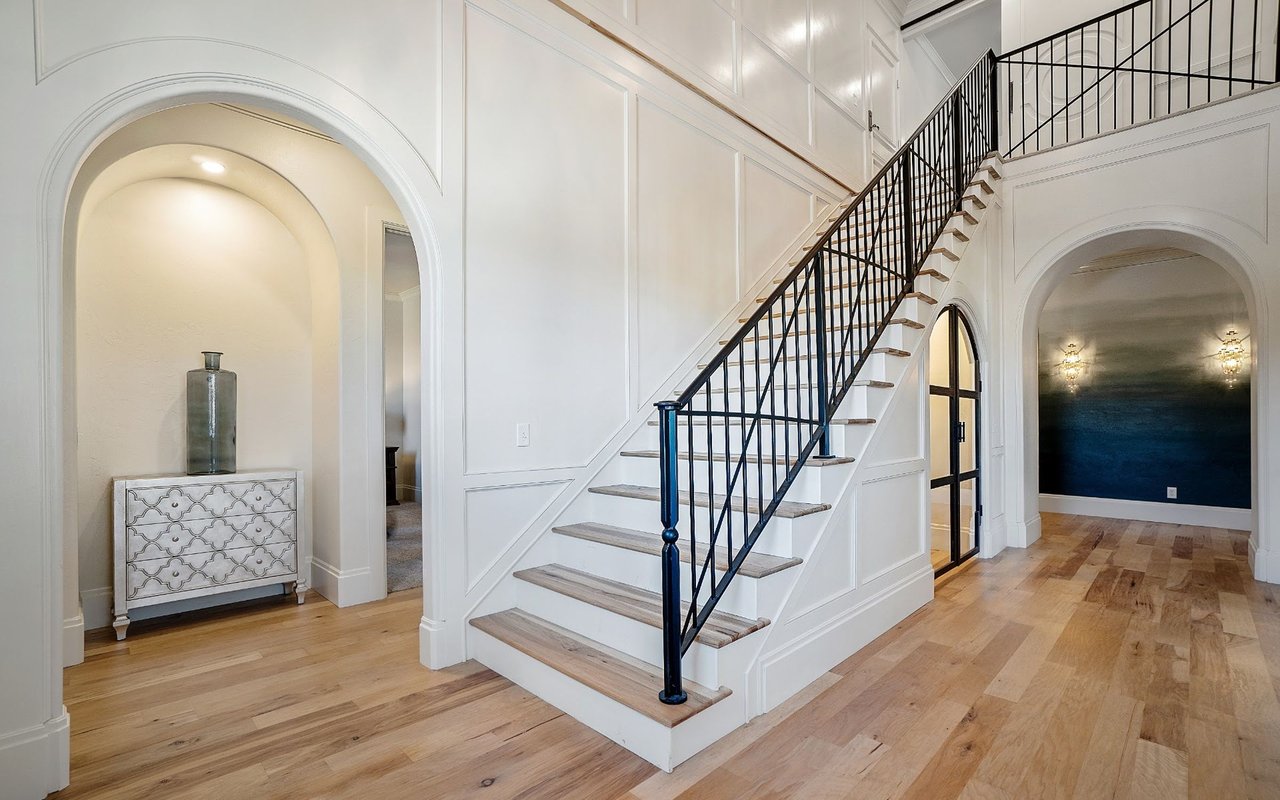
New construction often appeals to buyers who want a more predictable move-in experience. A newer home may offer modern floor plans, current finishes, and fewer immediate repair projects. Some builders also promote features like home personalization and warranty coverage, though details vary by builder and community.
In Round Rock, new construction can also mean a more managed lifestyle. Some communities use HOA dues to maintain common areas and amenities. In places like Wellspring, the community model can even include yard maintenance, which may be a real advantage if you want lower day-to-day exterior upkeep.
New Homes Can Vary a Lot
One of the biggest mistakes buyers make is assuming all new construction in Round Rock looks and feels the same. It does not. The city’s zoning code allows a range of lot sizes in new single-family development, including estate, standard, and small lots in certain districts.
That means one new neighborhood may feel more spacious, while another may be designed for lower maintenance and a smaller footprint. In Wellspring, current listings show lots around 2,500 to 3,400 square feet, which is very different from the classic image of a large suburban yard. If outdoor space matters to you, it is smart to look beyond the words “new construction” and study the actual lot dimensions.
Established Neighborhood Pros in Round Rock
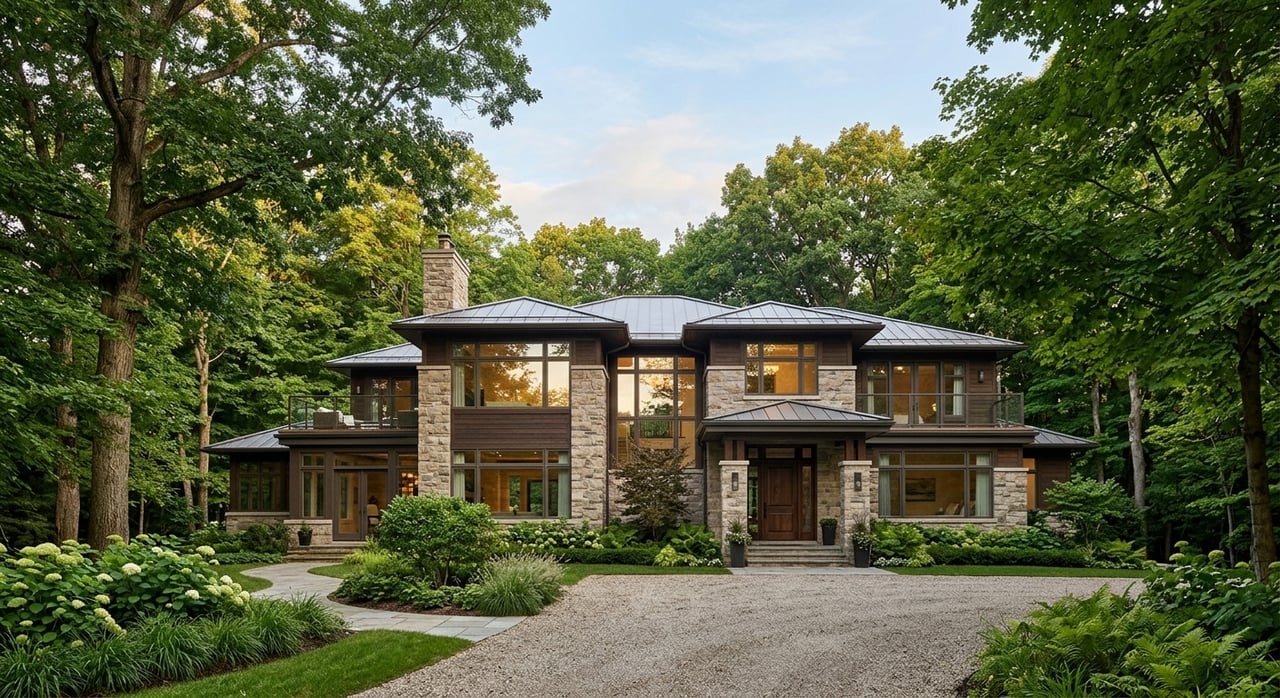
Established neighborhoods usually attract buyers who care about space, mature landscaping, and a lived-in feel. In Round Rock, current resale examples show that neighborhoods like Round Rock West and Chisholm Valley can offer noticeably larger lots. Some listings in those areas show lots from roughly 7,500 square feet to more than a quarter acre.
That extra land can change how a home lives. You may have more setback from neighbors, more room for outdoor use, and a landscape that feels more settled. For some buyers, that sense of space is the deciding factor.
Mature Areas Often Feel More Predictable
Established neighborhoods can also feel easier to understand at a glance. What you see is often what you get. Streets, traffic patterns, tree cover, surrounding retail, and nearby housing stock are already in place.
With new communities, future phases can still change the feel of the area over time. That does not make new construction a poor choice. It simply means you should consider not only the home you are buying today, but also what may be built around it later.
Lot Size Matters More Than Build Year
If you are deciding between new construction and an older subdivision, lot size deserves close attention. In Round Rock, the difference can be significant. Newer product may offer a more efficient footprint, while older resale neighborhoods often provide more yard area and separation.
But usable outdoor space is about more than square footage on paper. You should also think about privacy, setbacks, maintenance needs, and how you actually plan to use the yard. A smaller lot may be ideal if you want less work, while a larger lot may be worth it if outdoor living is a priority.
HOA Rules and Monthly Costs
HOA structure is another major comparison point. In Round Rock, the city makes clear that HOA deed restrictions can be stricter than city ordinances, and those restrictions are private agreements rather than city-enforced rules. That means community standards may vary quite a bit from one neighborhood to another.
In newer communities, HOA dues often help fund amenities and common-area upkeep. Paloma Lake, for example, lists HOA dues at $120 per quarter, with dues helping maintain common areas and amenities. Wellspring reflects a different model, where lower monthly dues and yard maintenance are part of the appeal.
Compare What Dues Actually Cover
A lower purchase price does not always mean lower monthly ownership costs. In some new communities, recurring dues support a more structured lifestyle and shared upkeep. In an established neighborhood, you may have fewer community rules, but more of the exterior maintenance may fall directly on you.
When you compare neighborhoods, ask practical questions such as:
- What are the current HOA dues?
- What do those dues cover?
- Is yard maintenance included?
- Is the board still developer-controlled?
- What exterior responsibilities remain with the owner?
Those answers can shape your monthly budget just as much as your mortgage payment.
Commute Patterns Can Tip the Scale
A beautiful home is only part of the equation. How easily you can move through Round Rock and the surrounding area matters too. The Census Bureau reports a mean travel time to work of 24.9 minutes, and city transportation planning shows that roadway connectivity, bottleneck reduction, transit, and regional access are ongoing priorities.
Round Rock provides fixed-route bus service and regional connections, including routes 50, 152, and 980, along with Round Rock Rides in areas where traditional bus service is less feasible. In practical terms, neighborhoods near established corridors or transit access may appeal to buyers who want more commute certainty. Newer edge communities may offer newer homes, but they can also mean greater dependence on driving.
Think Beyond Today’s Drive
When you tour homes, do not stop at the house itself. Test the route to work, errands, and your regular destinations at realistic times of day. A home that looks perfect online can feel very different once daily traffic becomes part of the picture.
This is one area where local guidance matters. Two homes with similar square footage can create very different weekly routines depending on where they sit within Round Rock’s transportation network.
Appreciation Is Not Just About Newness
Many buyers assume a new home will always be the stronger long-term play. In reality, appreciation is usually shaped by a mix of location, land, supply, and buyer demand. In Round Rock, the city’s growth planning and density work show that more housing is still coming, especially where vacant land remains available.
That has two important implications. Established neighborhoods may benefit from lot scarcity and mature character. New communities may benefit from modern layouts and amenities, but they can also face short-term competition from future builder phases nearby.
Focus on Fit and Scarcity
Instead of asking which option is “better,” ask which one is harder to replace. A compact new home with low maintenance may match your lifestyle perfectly. A resale home on a larger lot in a more established setting may offer a kind of space that becomes increasingly hard to find.
The right answer depends on what you value most and what Round Rock submarket you are shopping in. Build year is only one piece of the picture.
How to Choose the Right Option
If you are still torn, simplify the choice by ranking the issues that affect your life most. Most buyers in Round Rock end up deciding based on three or four practical priorities rather than a long list of features.
Here is a simple way to frame it:
New Construction May Fit You Better If
- You want modern layouts and finishes
- You prefer fewer immediate repair concerns
- You like a more structured community setup
- You want lower yard maintenance
- You are comfortable reviewing HOA terms closely
Established Neighborhood May Fit You Better If
- You want a larger lot or more outdoor space
- You value mature trees and a settled neighborhood feel
- You prefer to see the area fully developed before buying
- You want fewer community-wide rules in some cases
- You are open to taking on more property maintenance
A Local Decision Deserves Local Guidance
Round Rock gives you real choices, which is a good problem to have. Because the city continues to grow, the best decision usually comes from matching the home, lot, location, and ownership style to your daily needs, not from following a simple rule about age of construction.
Whether you are drawn to a polished new build or a resale home in an established area, a clear side-by-side comparison can save you time and help you avoid expensive surprises. If you want a calm, experienced perspective on how specific Round Rock neighborhoods compare, Gay Puckett offers personal, high-touch guidance tailored to your goals.
FAQs
Should I buy new construction or resale in Round Rock?
- The better choice depends on your priorities. In Round Rock, new construction often offers newer layouts and lower-maintenance options, while established neighborhoods may offer larger lots, mature landscaping, and a more settled feel.
Are all new construction homes in Round Rock on small lots?
- No. Round Rock zoning allows a range of lot sizes in new single-family development, but some current new-build communities do feature more compact lots, so it is important to review the actual lot dimensions for each home.
Do established neighborhoods in Round Rock usually have larger yards?
- Often, yes. Current resale listings in areas such as Round Rock West and Chisholm Valley commonly show larger lots than some newer communities, including lots around 7,500 to 9,100 square feet and some even larger.
What should I know about HOA rules in Round Rock neighborhoods?
- HOA deed restrictions can be stricter than city ordinances, and the city does not enforce those private restrictions. You should compare dues, maintenance responsibilities, amenities, and whether a board is still developer-controlled before you buy.
Does commute location matter when comparing Round Rock neighborhoods?
- Yes. Round Rock’s transportation planning shows that roadway access, transit connections, and bottlenecks are important local issues, so neighborhood location can affect your daily routine as much as the home itself.