Looking for more space without feeling too far from Austin? Dripping Springs has become a go-to choice for buyers who want Hill Country scenery, newer housing options, and a lifestyle that feels more open and relaxed. If you are weighing a move, this guide will help you understand what makes Dripping Springs stand out, how the area is growing, and what that could mean for your home search. Let’s dive in.
Why Dripping Springs Gets Attention
Dripping Springs is often introduced as the “Gateway to the Hill Country”, and the city says it sits about 25 minutes west of Austin. That combination matters if you want easier access to Austin while enjoying a setting with more land, more sky, and a different pace.
The city also describes itself as thriving and growing while working to retain a small-town feel. That balance is a big part of the appeal. You get a market that is active and expanding, but still rooted in open space, local gathering spots, and a strong sense of place.
Growth Is Shaping the Market
If Dripping Springs feels busier than it did a few years ago, the numbers support that. The U.S. Census Bureau estimates the city’s population reached 10,165 in July 2024, up from 4,650 in the 2020 census.
That growth is part of a broader pattern in Hays County. Census data estimates the county at 292,029 in July 2024 and 304,390 in July 2025, with a 26.3% increase from the April 2020 estimate base to July 2025. For buyers, that tells you Dripping Springs is not standing still. It is a market where demand, development, and long-term planning all matter.
Hill Country Lifestyle With Open Space
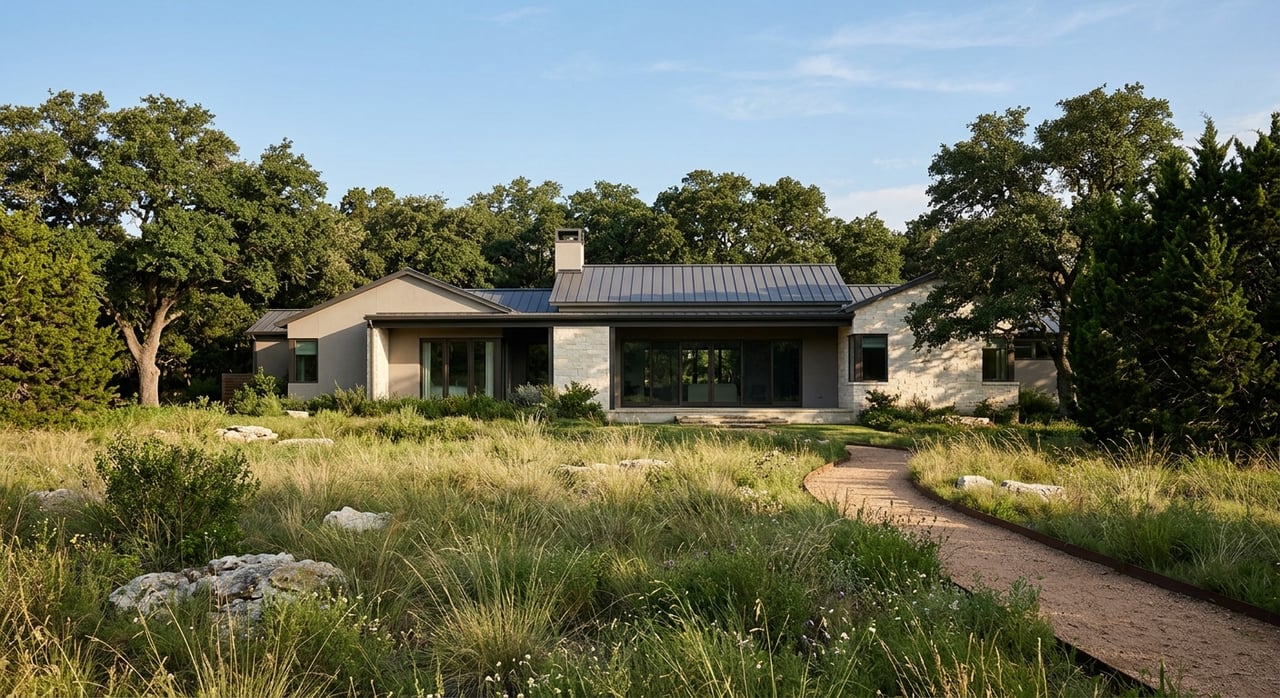
One reason buyers keep Dripping Springs on their shortlist is the setting itself. The city highlights open space, creek-and-spring scenery, abundant wildlife, and a Hill Country landscape as core parts of its identity. It also notes that Dripping Springs is an International Dark Sky Community, which adds to the area’s distinct feel after sunset.
That outdoor focus is not just branding. The city’s Parks and Community Services Department manages 571.29 acres of parkland for residents in the city and ETJ, including Founders Memorial Park, Sports and Recreation Park, Charro Ranch Park, Ranch Park, and Rathgeber Natural Resource Park.
Ranch Park is especially useful to know if outdoor access matters to you. The city describes it as a place for hiking, wildlife viewing, primitive camping, equestrian use, and community events. For many buyers, that kind of amenity helps define what “room to breathe” looks like in daily life.
Housing Options Feel More Spacious
Dripping Springs has seen most of its recent growth in residential land uses and subdivisions, both inside the city limits and in the ETJ, according to the city’s development manual. At the same time, the city says it is managing rapid growth through regulations intended to preserve community values and quality of life while allowing new housing and commercial development.
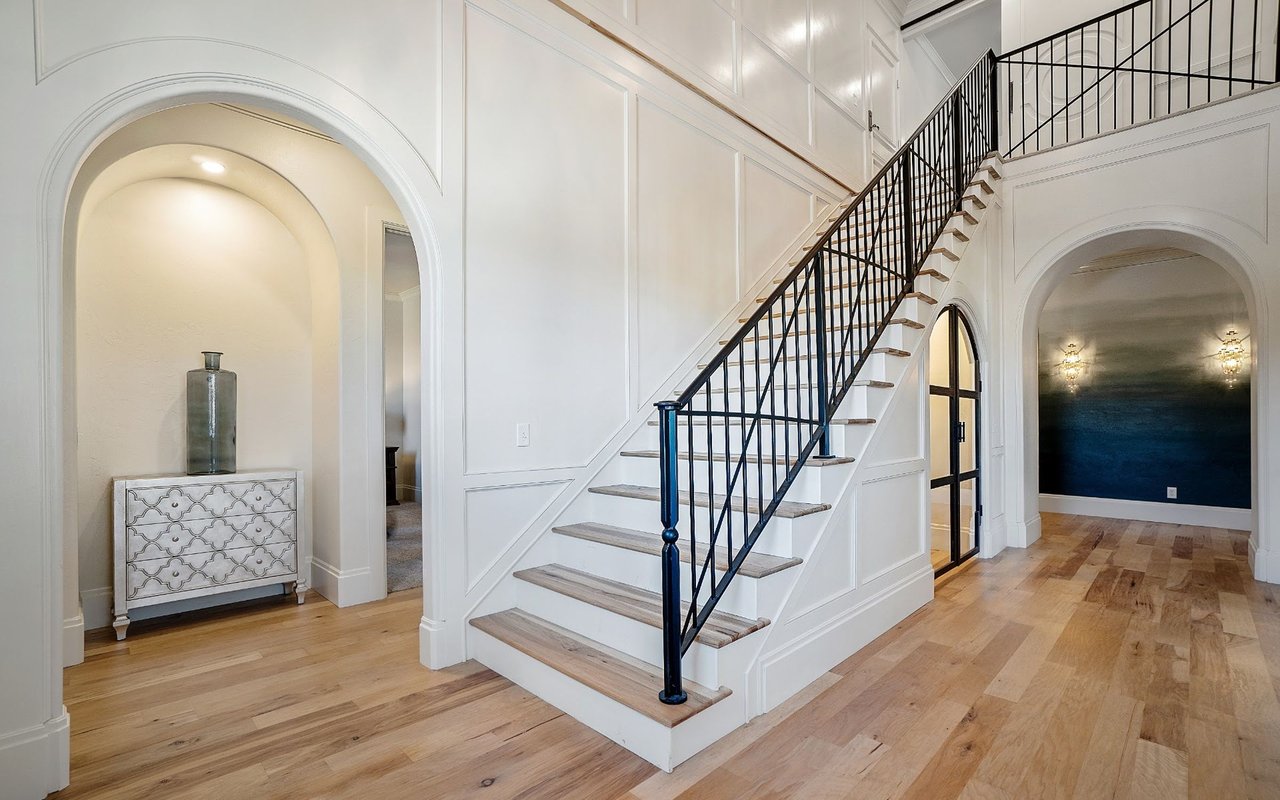
That helps explain why the area often feels both expanding and intentionally planned. You will find a mix that includes newer neighborhoods, larger homes, and properties designed around more land than many buyers expect closer to Austin.
A city-approved development description for Anarene/Double L outlines 2,231 residences ranging from garden homes to estate homes of over an acre, along with 474 acres of open space and parkland. That range gives buyers options, whether you want lower-maintenance living or more elbow room.
Dripping Springs ISD also lists multiple current and upcoming developments, including Double L Ranch, Wild Ridge, Heritage, Village Grove, Cannon Ranch, Ariza Springs, New Growth, and Ranch at Caliterra. Taken together, these projects help explain why Dripping Springs often appeals to move-up buyers, relocators, and households looking for newer inventory in a more spacious setting.
What the Cost Picture Looks Like
Dripping Springs is not a low-cost market, and it is best to go in with realistic expectations. According to Census data, the median value of owner-occupied housing units is $635,600, the median household income is $109,364, and the median gross rent is $2,234.
The owner-occupied housing rate is 48.8%, which points to a market with both owners and renters. If you are comparing Dripping Springs to other Austin-area options, cost should be part of the conversation, but so should lot size, newer housing stock, and the lifestyle trade-offs that come with this part of Hays County.
Austin Access Still Matters
For many buyers, Dripping Springs works because it offers separation from the city without feeling disconnected. The city states that it is about 25 minutes west of Austin, and the Census estimates a mean travel time to work of 27.4 minutes.
That does not mean every commute will feel the same, of course. But it does show why Dripping Springs continues to attract buyers who want Hill Country living while keeping Austin within practical reach for work, dining, and entertainment.
Local Amenities Add Daily Appeal
Lifestyle is about more than the house itself. Dripping Springs has built a strong identity around local destinations and gathering places, including vineyards, craft breweries, distilleries, unique shopping, and live music, according to the official Destination Dripping Springs site.
That same source points to local names such as Bell Springs Winery & Brewery, Treaty Oak Distilling, Acopon Brewing Company, Summer Revival Wine Co., One Shot Distillery and Brewery, and the Deep Eddy Vodka Tasting Room. The city also operates a certified farmers market at Dripping Springs Ranch Park, which adds another regular community touchpoint.
For buyers, these amenities help shape what weekends and evenings might look like. You are not just buying a home. You are choosing a rhythm of life, and Dripping Springs offers a version that feels scenic, social, and grounded in local places.
Schools and Growth Planning
If schools are part of your relocation checklist, it is important to understand the district’s growth trajectory in factual terms. Dripping Springs ISD says it has grown 61% in the last decade to 8,714 students and is projected to surpass 10,000 during the 2026-27 school year.
The district also reports that Dripping Springs High School has grown to 2,564 students, above its 2,500-seat capacity, and is projected to exceed 3,000 by 2027-28. That information does not tell you whether the area is right for your household, but it does show how closely housing growth and community infrastructure are linked in Dripping Springs.
Is It Still Small-Town?
That is one of the most common questions buyers ask, and the honest answer is nuanced. Dripping Springs is growing quickly, and the data makes that clear. At the same time, the city says it is working to preserve open spaces and a small-town feel while accommodating new development.
In practical terms, you may find that Dripping Springs feels different from what it was several years ago, but it still offers a version of the Hill Country lifestyle that many buyers find hard to duplicate. The key is understanding where your priorities fall.
You may appreciate Dripping Springs if you want:
- More space than many close-in Austin neighborhoods offer
- A setting shaped by parks, open land, and Hill Country views
- Access to newer developments and a range of home types
- A location that keeps Austin within reach
- A lifestyle tied to local businesses, live music, and outdoor recreation
What Buyers Should Think About First
Before you decide Dripping Springs is the right fit, it helps to get specific about your goals. “Room to breathe” can mean different things depending on whether you want acreage, a newer home in a planned community, easier commuting, or stronger access to parks and outdoor amenities.
A focused home search usually starts with a few practical questions:
- How much space do you want inside and outside the home?
- How important is quick access to Austin?
- Do you prefer an established setting or a newer development?
- What price range makes sense given current market conditions?
- Which everyday amenities matter most to your routine?
When you answer those questions early, it becomes much easier to narrow your options and avoid chasing a version of Dripping Springs that does not really match how you want to live.
If you are considering a move to Dripping Springs or comparing it with other Austin-area lifestyle markets, working with an experienced local advisor can help you sort through location, inventory, timing, and long-term fit. For personalized guidance and boutique-level representation, connect with Gay Puckett.
FAQs
Is Dripping Springs close enough to Austin for commuting?
- The city says Dripping Springs is about 25 minutes west of Austin, and Census data estimates a mean travel time to work of 27.4 minutes.
Are there homes with larger lots in Dripping Springs?
- Yes. City-approved development material for Anarene/Double L includes residences ranging from garden homes to estate homes of over an acre.
Is Dripping Springs still growing?
- Yes. The Census estimates the city’s population at 10,165 in July 2024, up from 4,650 in the 2020 census, and local planning documents say recent growth has been concentrated in residential land uses and subdivisions.
What is the lifestyle like in Dripping Springs?
- The city highlights open space, wildlife, parks, Hill Country scenery, and Dark Sky status, while Destination Dripping Springs emphasizes wineries, breweries, distilleries, shopping, live music, and the farmers market.
What should buyers know about Dripping Springs housing costs?
- Census data shows a median owner-occupied home value of $635,600 and a median gross rent of $2,234, so it helps to plan for a market that is typically not low-cost.
Are new neighborhoods being added in Dripping Springs?
- Yes. Local sources reference multiple current and upcoming developments, including Double L Ranch, Wild Ridge, Heritage, Village Grove, Cannon Ranch, Ariza Springs, New Growth, and Ranch at Caliterra.