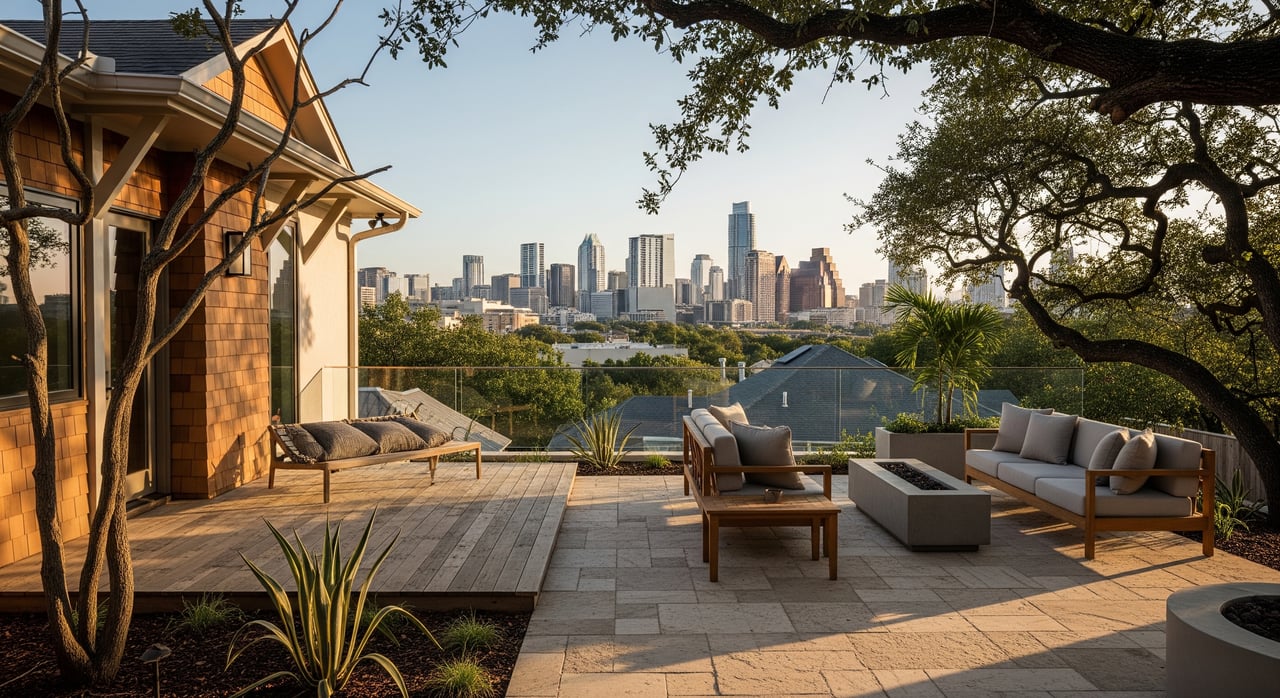
Torn between the charm of a Craftsman bungalow and the ease of a downtown high-rise? Central Austin gives you both, along with mid-century homes, townhomes, and low-rise condos. If you want a walkable lifestyle close to parks, dining, and the lake, you have options. In this guide, you’ll compare housing types, lifestyle tradeoffs, costs to consider, and a simple due diligence plan. Let’s dive in.
What counts as Central Austin
Central Austin typically includes neighborhoods within a few miles of the State Capitol and Lady Bird Lake. Think Downtown, near-UT, Clarksville, Hyde Park, Bouldin Creek, Travis Heights, Zilker, Old West Austin, and similar areas. Boundaries vary by source, but these in-town neighborhoods share close-in convenience and limited room for new single-family homes. That scarcity can shape prices and competition.
Housing options at a glance
- Historic bungalows from the early 1900s with front porches and mature trees.
- Mid-century and postwar single-story homes with larger footprints.
- Infill townhomes and low-rise condos with modern finishes and HOAs.
- Downtown mid- and high-rise condos with amenities and views.
- Newer apartments for rent if you want flexibility before you buy.
Historic bungalows: character and care
Early 20th-century bungalows and foursquares offer wood floors, original millwork, and a strong sense of place. Many sit on smaller lots and have been expanded over time. Typical price ranges in early 2024 run about $500,000 to $900,000, with top-condition homes on prime blocks exceeding $1 million.
Older systems often need attention. Expect possible updates to wiring, plumbing, HVAC, and foundations, plus checks for moisture or pest issues. Some streets fall under historic overlays. If you plan exterior changes, confirm rules through the City’s Historic Preservation department before you budget.
Mid-century and postwar homes: space and upgrades
Ranches and mid-century modern styles from the 1940s to 1970s often deliver more square footage and easy single-level living. Many have carports or attached garages and may sit on slightly larger lots than older bungalows. Price ranges generally run from about $600,000 to $1.5 million depending on location and renovation level.
You should plan for modernization. Look for opportunities to improve energy efficiency and to replace older mechanicals. Some homes may have legacy finishes that require specialized removal. Zoning and lot coverage rules will guide how much you can expand.
Townhomes and low-rise condos: low maintenance living
Infill townhomes and garden-style condos built from the 1990s to recent years can be a smart middle ground. You gain modern layouts, updated kitchens and baths, and limited exterior maintenance. Many are two or three stories with small yards or balconies.
Expect homeowners associations with monthly fees and rules. The tradeoff is less private outdoor space in exchange for convenience. Prices typically range from roughly $350,000 to $900,000, with smaller studios and one-bedrooms at the lower end.
Downtown mid- and high-rises: amenities and access
Downtown and riverside towers offer studios to multi-bedroom condos, often with concierge services, gyms, pools, and structured parking. You get quick access to nightlife, restaurants, and office cores. Many units feature floor-to-ceiling windows with city or lake views.
Association governance matters. Review reserves, budgets, parking allocations, rental rules, and any pending special assessments. Smaller and older condos may start near $300,000, while larger or luxury units and penthouses can reach $2 million to $3 million or more.
Lifestyle: walk, bike, parks, transit
Walkability is a major draw across Central Austin. Many errands, cafes, and shops are close by, and you can use Walk Score to compare blocks. Popular corridors include South Congress, Guadalupe, Lamar, 6th Street, and Congress Avenue.
Parks and trails are at your doorstep. Zilker Park, Butler Park, and the Ann and Roy Butler Hike-and-Bike Trail connect you to green space and the water. Explore the City’s Parks and Recreation resources to map your routine.
Transit options include Capital Metro bus routes and the MetroRail Red Line in select areas. Keep an eye on Capital Metro and Project Connect updates. Future lines could shift commute patterns and access.
Practical tradeoffs to weigh
- Yard and privacy vs. low maintenance: Single-family homes offer private outdoor space. Condos and townhomes reduce yard work and often add amenities.
- Parking and noise: Entertainment districts bring energy and convenience. Visit blocks at different times to understand parking availability and evening noise.
- Floodplain and drainage: Properties near Shoal Creek and Lady Bird Lake may face flood considerations. Review City resources on floodplain management and factor in insurance needs.
- Short-term rentals: Austin regulates STRs by type and location. Verify current rules and permits with the City’s Short-Term Rentals page.
- Property taxes: Travis County valuations and local rates affect monthly costs. Check parcels and exemptions with the Travis County Appraisal District.
- Renovation costs and insurance: Older homes may need system upgrades. Ask for specialized inspections and get quotes in advance.
What drives pricing in Central Austin
Several forces shape values and availability. Small lots, historic overlays, and zoning limit large-scale redevelopment. Demand for in-town living with walkability, dining, and parks keeps interest high. Central inventory has often been tight, which can increase competition for well-presented homes.
For the latest stats and neighborhood trends, review the Austin Board of REALTORS’ market reports. Just note that data sets vary by time frame, property type, and exact geography.
Smart due diligence checklist
- Confirm zoning and lot coverage for the specific parcel so you know what you can add or rebuild.
- Check any historic overlay or landmark status with the City’s Historic Preservation office before planning exterior changes.
- Order a specialized inspection on older homes that covers foundation, plumbing, electrical, roof, HVAC, and moisture or pest risks.
- For condos and townhomes, review HOA documents, minutes for the last 12 to 24 months, budgets, reserve studies, insurance, rental rules, parking, and any litigation.
- Review flood risk with FEMA and the City’s floodplain management resources. Ask for elevation certificates and any claims history.
- Verify current school boundaries directly with Austin ISD if that matters to your plans. Boundaries can change.
- Request recent utility bills and property tax history, then confirm details through Travis County Appraisal District.
- Walk the block on weekday mornings, evenings, and weekends to get a feel for traffic, noise, and parking.
Which Central Austin option fits you
If you love front-porch living and period details, a bungalow or mid-century home may be a match. Plan for maintenance and possible renovation.
If you want fewer chores and lock-and-leave convenience, a townhome or condo can simplify life. Focus on HOA health, amenities, and rules.
If proximity to offices, restaurants, and the trail is your priority, a downtown high-rise may check the boxes. Compare HOA fees, parking, and commute options.
If you are testing the area before you buy, a newer apartment could work while you learn the blocks you like best. As you narrow options, keep your budget, time horizon, and lifestyle front and center.
Work with a local advocate
You have great choices in Central Austin. The key is aligning home type, budget, and daily life. With decades of neighborhood insight and a hands-on, boutique approach, Gay Puckett helps you compare options, spot risks, and move with confidence. Let’s connect and tailor a plan to your goals.
FAQs
What counts as Central Austin for home shopping
- Central neighborhoods within a few miles of the Capitol and Lady Bird Lake, including Downtown, near-UT, Clarksville, Hyde Park, Bouldin Creek, Travis Heights, Zilker, and Old West Austin.
How much do Central Austin bungalows cost in 2024
- Many range about $500,000 to $900,000, with top-condition homes on prime blocks exceeding $1 million depending on specifics.
What should I know about HOA costs in towers
- Budget for monthly fees that cover amenities and reserves, and review association documents for reserves, special assessments, parking, and rental rules.
How walkable is Central Austin compared to suburbs
- Many areas score high for walkability and daily errands, with strong access to dining, shops, and trails.
How do floodplains affect homes near Shoal Creek or the lake
- You may need flood insurance and City review for improvements; confirm maps, elevation certificates, and any claims history.
Are short-term rentals allowed in Central Austin condos or homes
- Rules vary by property type, location, and HOA; verify City STR requirements and any association restrictions before you buy.